Lifecycle · Phase 2 of 8

Validate: prove it before you build it

Validation helps teams make one of four clear decisions: proceed, revise, pause or stop, before significant investment is made. Gensudo provides 44 governed templates to make that decision evidence-based and defensible.

Get StartedSee the whole lifecycle
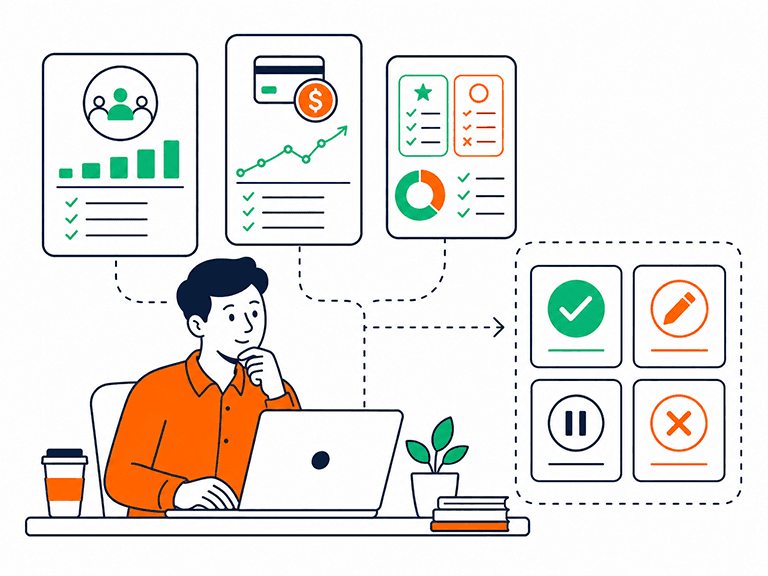
A man sat in front of a computer working on documents through the validate lifecycle phase; making decisions as to whether to proceed, revise, pause or stop.

What Validation is

Validation tests the strongest assumptions uncovered during Discovery, including demand, willingness to pay and competitive fit. The aim is to gather enough evidence before significant investment is made. The phase ends with one clear decision: proceed, revise, pause or stop.

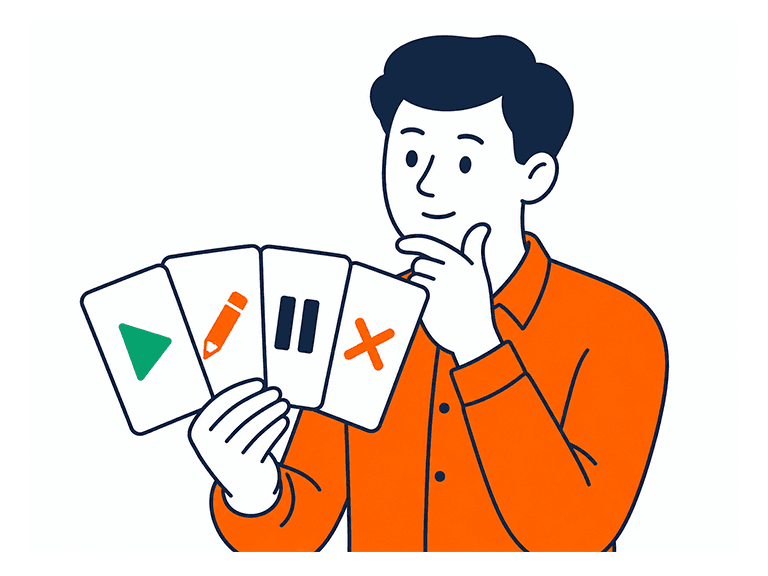
A man holding a set of cards that represent the validate outcomes including proceed, revise, pause and stop

What gets decided in Validate

Validation helps teams decide which assumptions matter most, what evidence is strong enough and what would change the decision.

  • Proceed: the evidence supports the opportunity and the team can move to planning
  • Revise: the problem is valid, but the proposed response needs to change and be tested again
  • Pause: timing, market conditions or capacity mean it is better to wait
  • Stop: the key assumptions have not held up, so the learning should be recorded and the work closed
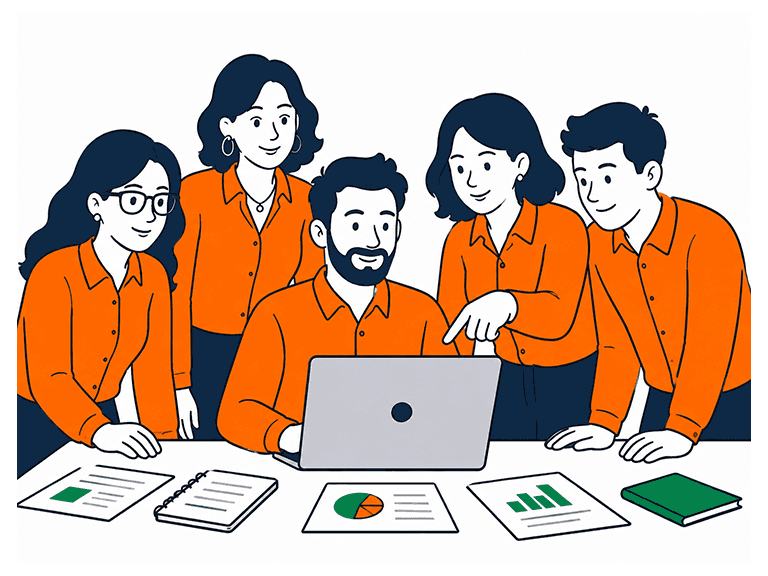
Five product leads sat and stood at a computer all viewing the documents available in the validate phase

The documents in the Validate phase

Gensudo includes 44 validation templates across five product roles. The Head of Product has the largest set with 13 templates, reflecting the importance of leadership decisions at this stage. The Product Director, Product Manager and Product Owner each contribute 8, and Creative Director 7. Key documents include the Demand Validation Report, Product-Market Fit Assessment, Competitive Analysis and Business Case. Gensudo also keeps validation evidence traceable. Research findings without a usable source URL are excluded, so teams can verify sources, compare conflicting evidence and record the agreed value when figures differ.

A typical Validate sequence

  1. 1

    List what has to be true

    Name the assumptions the whole opportunity rests on. Most ideas carry three or four load-bearing beliefs; the rest is detail. Rank them by how wrong you can afford to be.

  2. 2

    Choose your tests

    For each assumption, decide what evidence could genuinely change your mind — and how you'll get it. A test that can only confirm what you hope isn't a test.

  3. 3

    Run them and record everything

    Capture results in a Demand Validation Report as they land, sources attached. Recording the misses matters as much as the hits — they're what the decision will be judged against later.

  4. 4

    Weigh it in a Business Case

    Set the evidence against the cost of proceeding. A Business Case that includes its own counter-evidence is worth far more than one that only argues for itself.

  5. 5

    Call it — one of four ways

    Proceed, revise, pause or stop. Write the decision down with its reasoning, so that whichever way it goes, the organisation knows why.

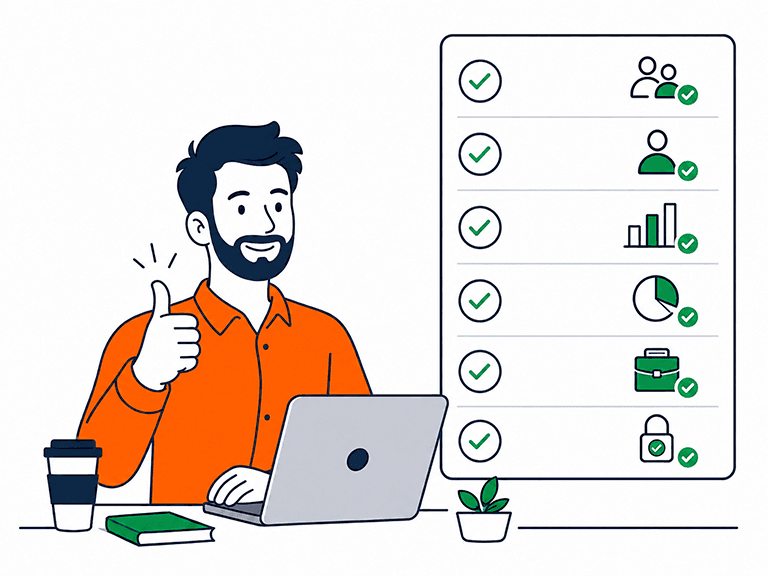
A man in the role of head of product sat in front of a laptop with his thumb up, stating he has compeleted all requirements of the validate phase and can progress to plan

You’re ready to move on from Validate when:

  • Every critical assumption has been tested with evidence
  • You can clearly demonstrate real demand
  • Your competitive view is current and supported by reliable sources
  • The business case still stands up to challenge
  • The decision to proceed, revise, pause or stop is clearly recorded with the reasoning behind it
  • If you are proceeding, the Planning phase has everything it needs to begin

Validate phase questions

What are the possible outcomes of validation?

Four: proceed, revise, pause or stop. Proceed means the evidence supports moving into planning. Revise means the problem holds but the intended response needs rework before re-testing. Pause parks the opportunity — with its evidence preserved — because timing or capacity isn't right. Stop closes it down because the core assumptions failed. All four are successful outcomes of validation; only an unexamined "proceed" is a failure.

Is stopping a project during validation a failure?

No — it's usually the cheapest good decision a product organisation makes all year. Validation exists precisely so that weak opportunities are stopped before build costs, not after. A well-documented stop, with the evidence and reasoning recorded, also protects the team from re-litigating the same idea without new information six months later.

How is a Demand Validation Report different from market research?

Market research describes the market as it is — size, trends, competitors — and mostly happens in discovery. A Demand Validation Report records what happened when you put your specific proposition in front of real people: what they did, what they said, what they'd pay. Research tells you the water is there; validation tells you whether anyone will actually swim.

What if the validation evidence is mixed?

Mixed evidence is the normal case, which is why validation ends in a judgement, not a formula. Separate what the evidence says from what you hoped it would say, weigh the strongest signal against the cost of being wrong, and remember that revise and pause exist for exactly this situation. In Gensudo, conflicting sources are surfaced side by side so the disagreement is visible rather than buried.
Keep moving

Back: Discover

Validation only tests what discovery framed. If your assumptions feel vague, the gap is usually a phase earlier.

Revisit the Discover phase

Next: Plan

A proceed decision earns you the right to plan: priorities, sequence and the measures success will be judged by.

Go to the Plan phase

Make your next go/no-go call on evidence

Gensudo turns validation work into cited, decision-grade documents, with a free trust rail that shows how ready each one really is.

Get Started