Describe your product once. Every document after that already knows it.

Gensudo captures your project as structured context - essentials up front, enrichment on your terms, and a fact store that keeps every document telling the same story.

Get StartedWhat drafting does with this context
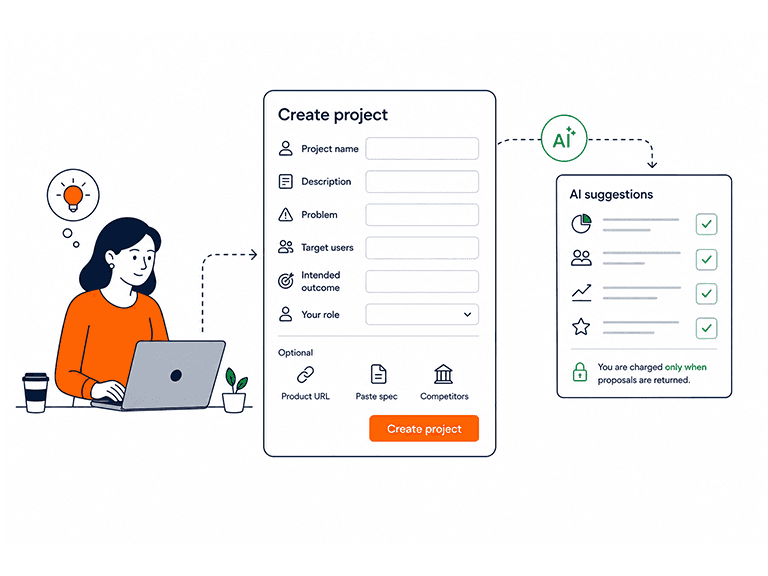
The Create project form asking for name, description, problem, target users, intended outcome and role, with optional AI suggestions

Build project context without the long setup

Creating a Gensudo project requires only the essentials: its name, description, problem, target users, intended outcome and your role. You can also provide a product URL, pasted specification or competitor examples. From there, one-click web-grounded enrichment proposes additional context for you to review and confirm. You are charged only when proposals are returned, and nothing is added without your approval.

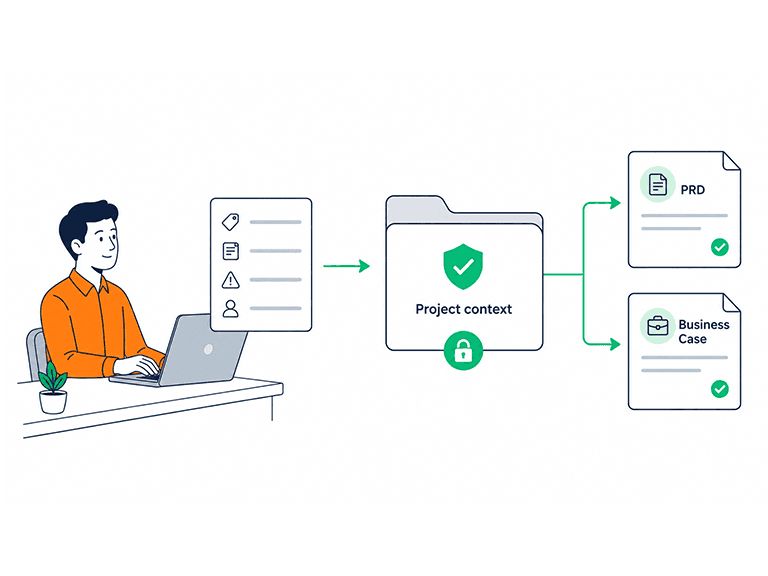
Project context captured once, then reused to produce both a PRD and a business case

The context problem every AI tool has

Most AI tools either demand a lengthy setup that users abandon or ask too little and produce generic output. In both cases, the problem returns later as inconsistent documents built from different understandings of the same product. Gensudo keeps project context structured, confirmed and reusable - rather than asking you to re-enter it for every document or allowing the AI to guess.

From blank project to shared understanding

  1. 1

    Start with the essentials

    Name, description, the problem you are solving, target users, the outcome you want, and which role owns the work - Head of Product, Product Director, Product Manager, Product Owner or Creative Director.

  2. 2

    Seed it, if you have something to seed with

    Optionally add a product URL, paste an existing spec, or name competitors. The seed step is entirely optional — a project with only essentials is a valid starting point.

  3. 3

    Let enrichment propose — then confirm

    One click on 'Create + research my details' runs web-grounded enrichment, charged only if it returns proposals. Everything it finds arrives as a proposal you confirm or discard; nothing is silently written into your project.

  4. 4

    Facts flow forward automatically

    The project fact store lets later documents reuse facts established in earlier ones — a market figure landed in your research report grounds the business case that follows, without re-entry.

  5. 5

    Missing context is asked for just-in-time

    When a document needs something the project does not yet know, Gensudo asks at that moment — a targeted question in context, not another form to complete up front.

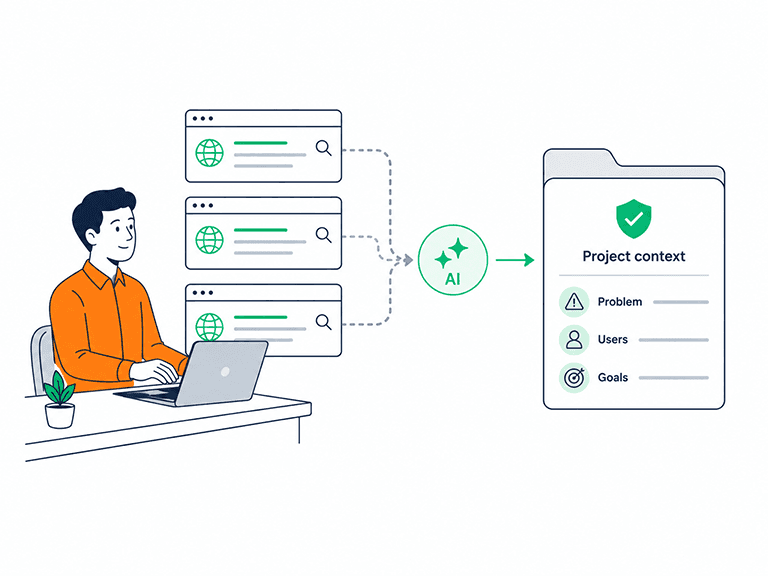
Web research passed through AI to propose the problem, users and goals for a project's context record

The AI proposes. You decide what your project believes.

Enrichment exists to spare you the typing, not to take over the record. It researches your product from the seed you provide and returns proposals — positioning, competitors, market context — each of which you confirm before it becomes project truth. Decline everything and you have lost nothing: if enrichment returns no proposals, you are not charged.

  • Charged only when enrichment returns proposals
  • Every proposal is confirmed by you — nothing lands silently
  • Web-grounded: proposals come from research, not model guesswork
  • Fair billing throughout: failed AI requests are never charged
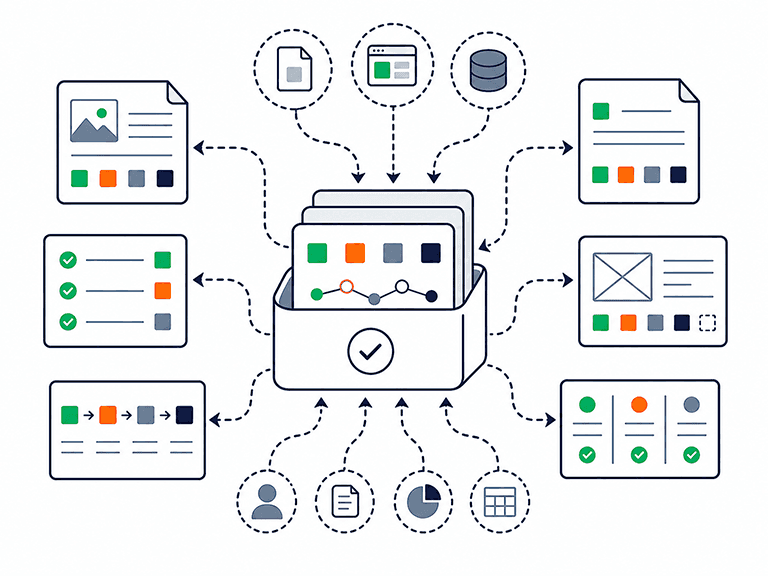
A container storing a project's facts and decisions that are then used consistently across all project documents

The fact store keeps thirty documents from telling thirty stories

Consistency across documents is usually maintained by one diligent person's memory. Gensudo replaces that with a project fact store: facts established in one document become available to the next, and gaps are raised just-in-time when a specific document actually needs the answer. Later drafts inherit earlier decisions instead of contradicting them.

  • Facts established in earlier documents ground later ones
  • Just-in-time asks replace long up-front intake forms
  • Context reuse works alongside the project's shared evidence pool

Controls and honest limits

Project context is designed around one principle: the user confirms what the project believes.

Priced for fairness

Creating a project is free on every plan. Enrichment is charged only when it returns proposals — a run that finds nothing costs nothing.

Plans and credits

Nothing written silently

Enrichment proposes; you confirm. Your project's record only ever contains what you have accepted, so AI research supports your judgement without ever pre-empting it.

What it will not do

Enrichment will not fill your project with unconfirmed guesses, and the fact store will not invent facts no document has established. Where context is genuinely missing, drafts name the gap honestly.

Context at work across the lifecycle

Setting up context, answered

How long does project setup take?

Setup asks only for essentials — name, description, problem, target users, outcome and owning role — with an optional seed step for a product URL, a pasted spec or competitors. Everything else can arrive later: through confirmed enrichment proposals, through documents you write, or through just-in-time questions when a document needs a missing detail.

What does enrichment cost, and when am I charged?

Enrichment draws on your plan’s AI credits only when it returns proposals for you to review. A run that comes back empty is free, and Gensudo's fair-billing rule means failed AI requests are never charged either.

Can enrichment change my project without my approval?

No. Enrichment only ever proposes — positioning, competitor context, product details — and each proposal waits for your confirmation. Decline a proposal and it never enters the project. Nothing is silently written, as a matter of design rather than default settings.

How do documents stay consistent with each other?

Through the project fact store: facts established in earlier documents are reused by later ones, so a figure landed in your Market Research Report can ground the Business Case that follows it. Combined with the project-wide evidence pool, documents draw on one shared understanding instead of thirty private ones.

What if the AI is wrong about my product?

Then you decline the proposal — that is precisely why confirmation is mandatory. Enrichment is web-grounded rather than guessed, but no research pass knows your product better than you do. The confirm-first design means an inaccurate proposal costs you a click, never a corrupted project record.
The essentials, a confirmation - and every document starts informed

Create your first project and let structured context do the remembering.

Get Started